
When choosing filters for photography or videography (especially for action cameras, drones, or DSLRs), understanding how light behaves is key.
Here is the breakdown of the differences between PL, CPL, and ND+PL filters, what they do, and when to use them.
1. PL (Linear Polarizer)
A Linear Polarizer cuts out glare and reflections from non-metallic surfaces (like water, glass, and wet roads) and increases color saturation, particularly in the sky and foliage.
-
How it works: It only allows light waves traveling in a specific direction to pass through, blocking the scattered, polarized light that causes glare.
-
The Catch: Linear polarizers can interfere with the autofocus (AF) and auto-exposure (AE) sensors in modern DSLR and mirrorless cameras because those internal sensors use a polarizing beam splitter.
-
Best used for: Older film cameras, manual focus setups, or specific video rigs where camera sensors aren’t affected by linear polarization.
2. CPL (Circular Polarizer)
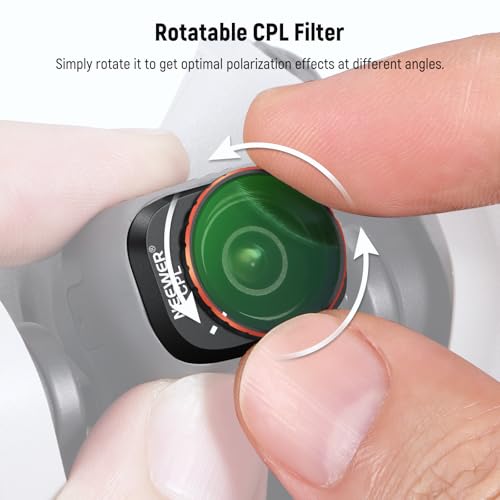
A Circular Polarizer does the exact same job as a PL filter—cutting glare and deepening colors—but it adds a second layer called a “quarter-wave plate.”
-
How it works: This extra layer “spins” the light after it passes through the linear polarizing element. This tricks your modern camera’s sensor into thinking it’s receiving normal, unpolarized light.
-
Why it’s standard: Because it spins the light, it does not mess with your camera’s autofocus or metering systems.
-
Note: Both PL and CPL filters need to be manually rotated on your lens until you see the glare disappear in your preview screen. They also inherently reduce light entering the camera by about 1 to 1.5 stops.
3. ND+PL (Neutral Density + Polarizer Hybrid)
An ND+PL filter combines a Neutral Density (ND) filter and a Circular Polarizer (CPL) into a single piece of glass.
-
The ND side: Acts like sunglasses for your camera, evenly reducing the amount of light entering the lens without changing the color of the scene. This allows you to force a slower shutter speed (crucial for smooth, cinematic motion blur in video) or use a wider aperture in bright conditions.
-
The PL side: Simultaneously cuts out glare, manages reflections, and boosts color saturation.
-
Best used for: Bright, sunny days when you are shooting video (like outdoor action camera footage or drone shots) and need to maintain the “180-degree shutter rule” (shutter speed double your frame rate) while also keeping the sky deep blue and eliminating harsh reflections from water or leaves.
Quick Comparison Table
| Filter Type | Cuts Glare & Reflections? | Boosts Saturation? | Reduces Light (Controls Shutter Speed)? | Best For | Camera Compatibility |
| PL | Yes | Yes | Minimally (~1 stop) | Older cameras, manual setups | May break AF/AE on modern cameras |
| CPL | Yes | Yes | Minimally (~1 stop) | Everyday photography, landscape | 100% compatible with modern cameras |
| ND+PL | Yes | Yes | Significantly (Depends on ND rating: ND8, ND16, etc.) | Outdoor videography, cinematic action/drone footage | 100% compatible with modern cameras |